
01Jetson Orin NX / Orin Nano / NX 4G-8G
Omnidirectional platform
How do intelligent robots perceive the world, know where they are, and decide what to do next?
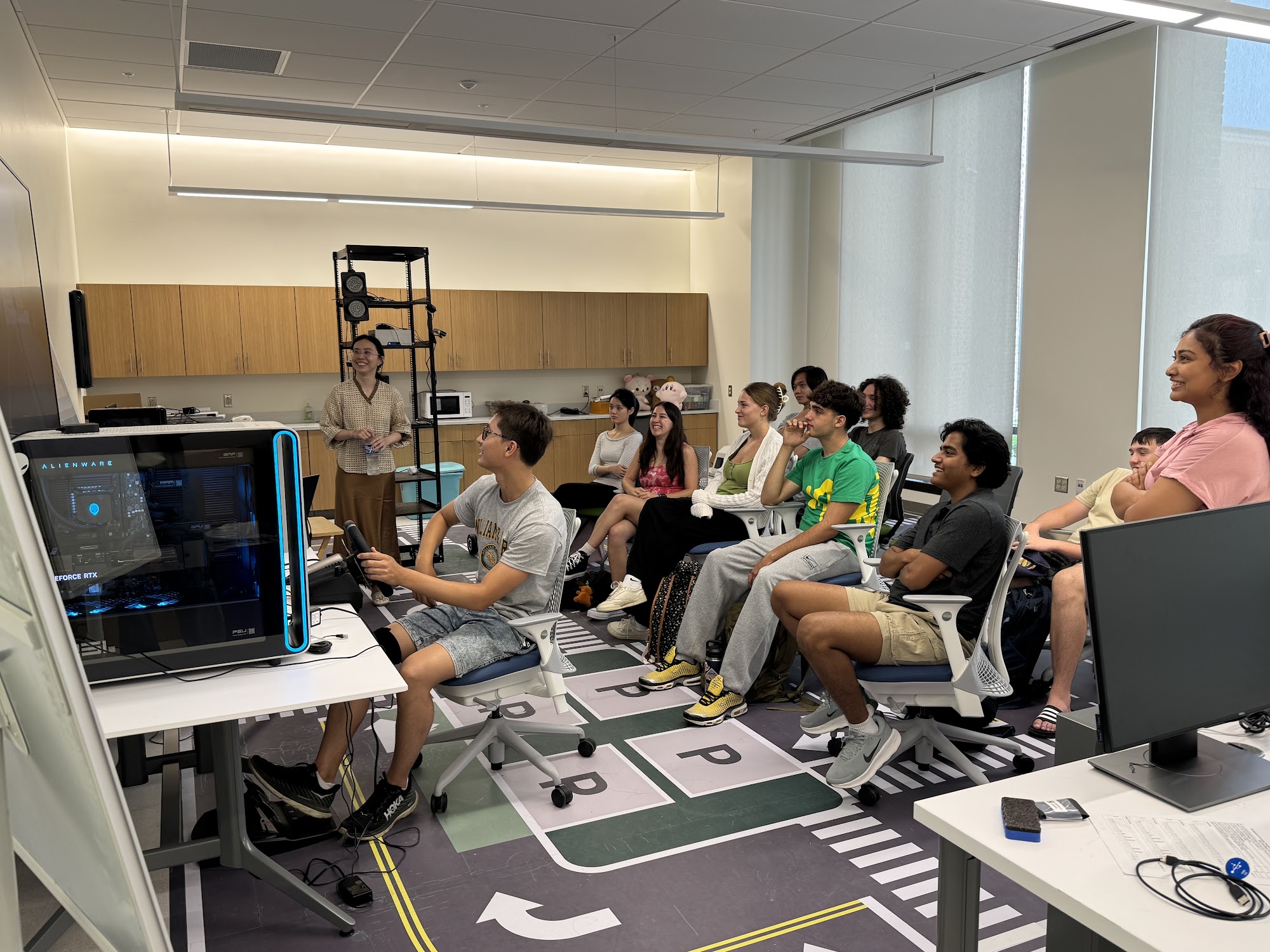
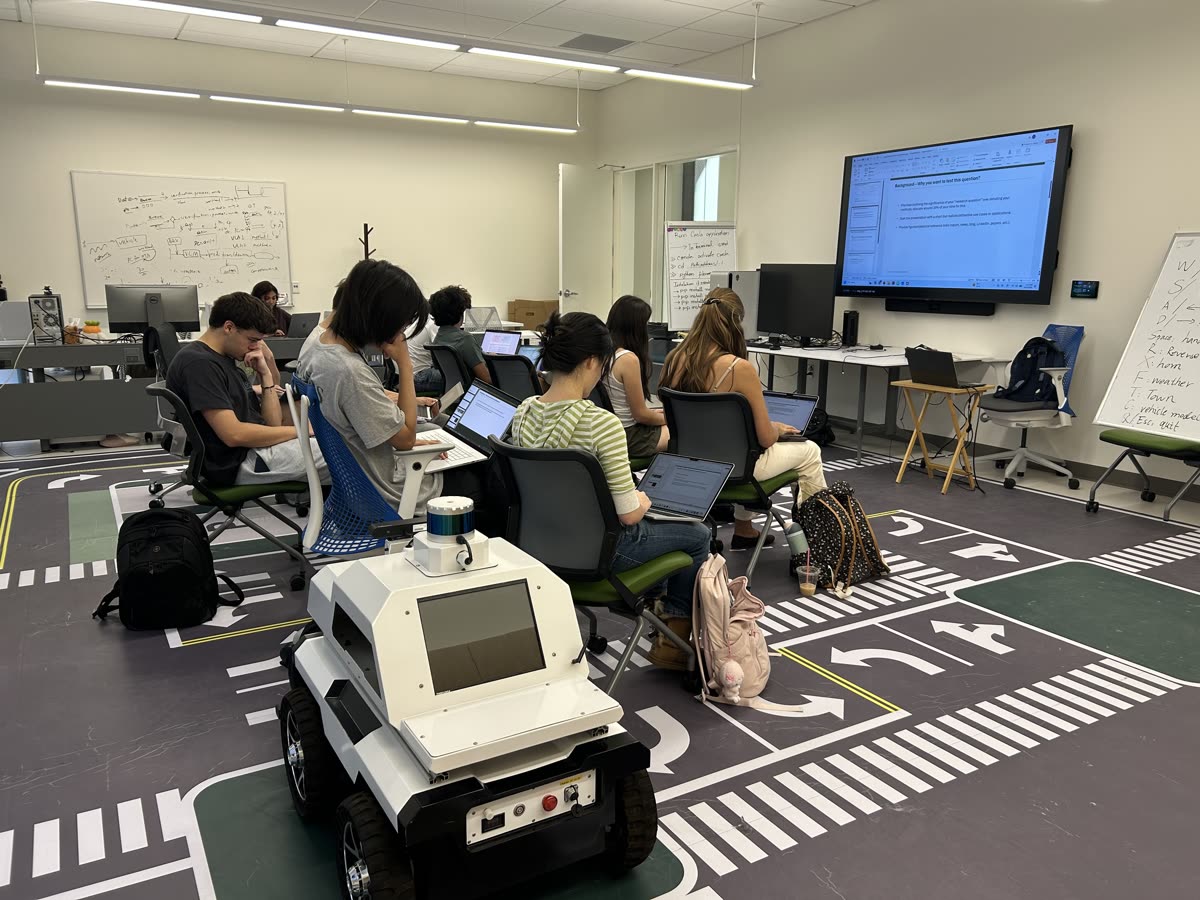
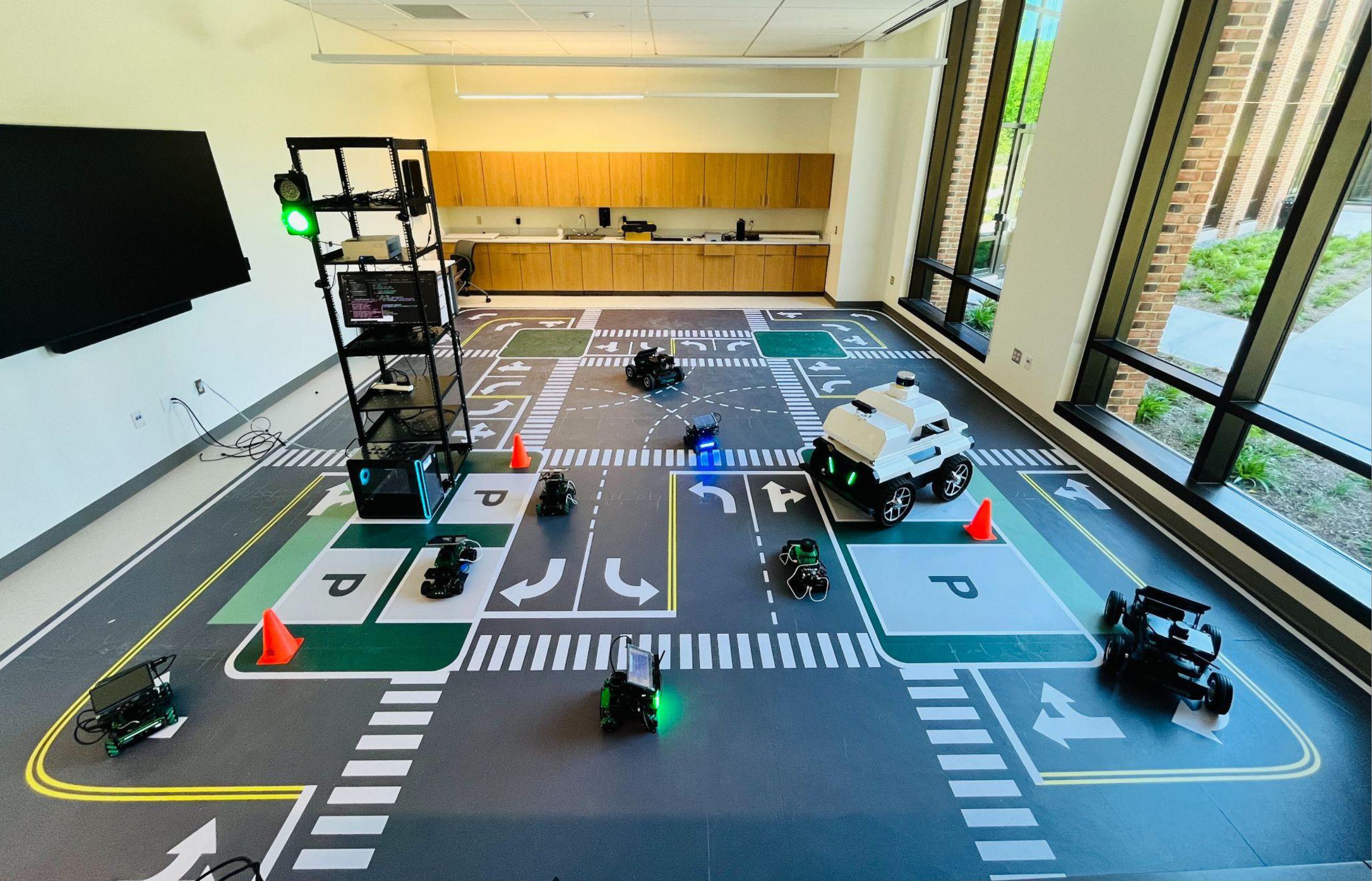
In this hands-on course, students work with 5G-connected robotic vehicles on a reconfigurable roadway with programmable smart traffic lights in the Vehicle Computing Lab.
Ask a focused question and predict what the robot will do.
Use provided hardware, starter code, and visual tools to configure and test a behavior.
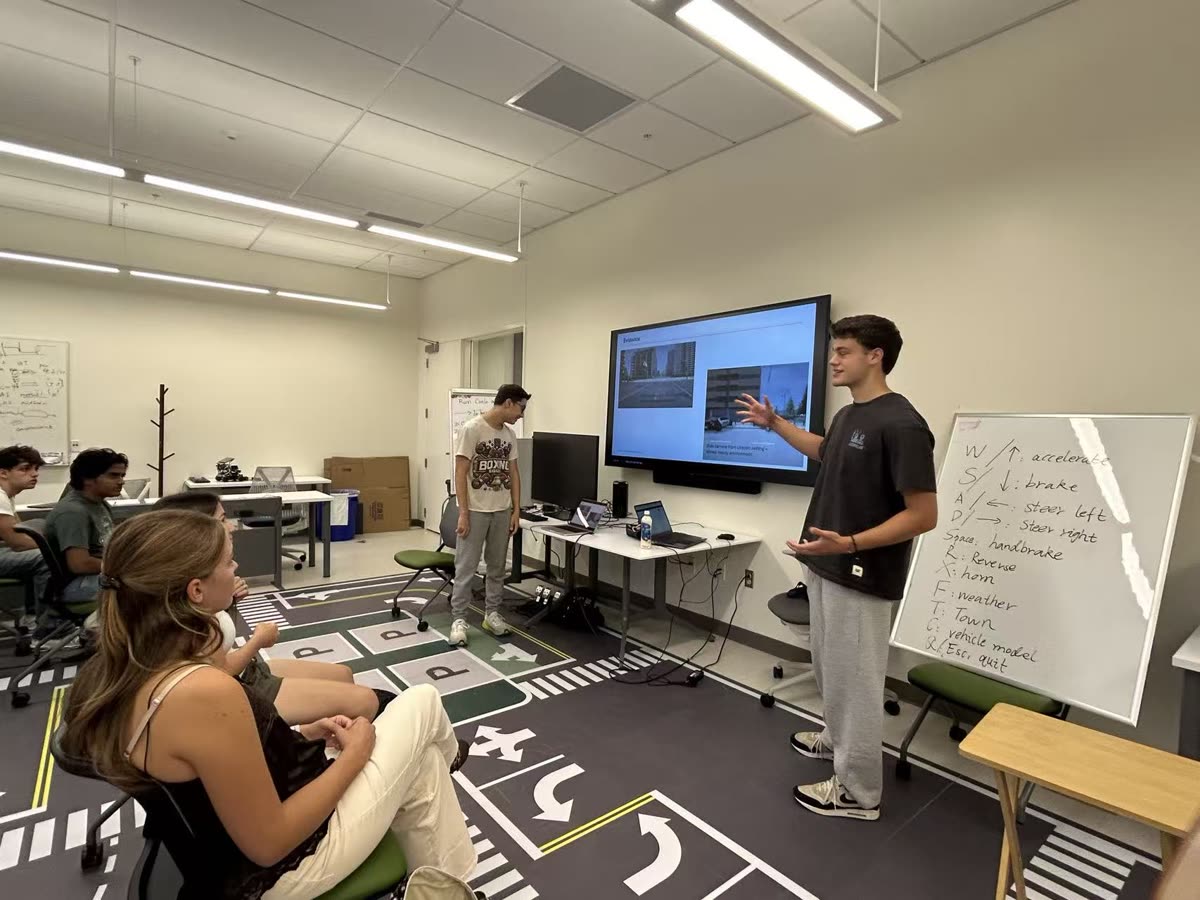
Present a short team demonstration.
Use evidence to explain results, including surprises, limitations, and improvements.
Milestone 01
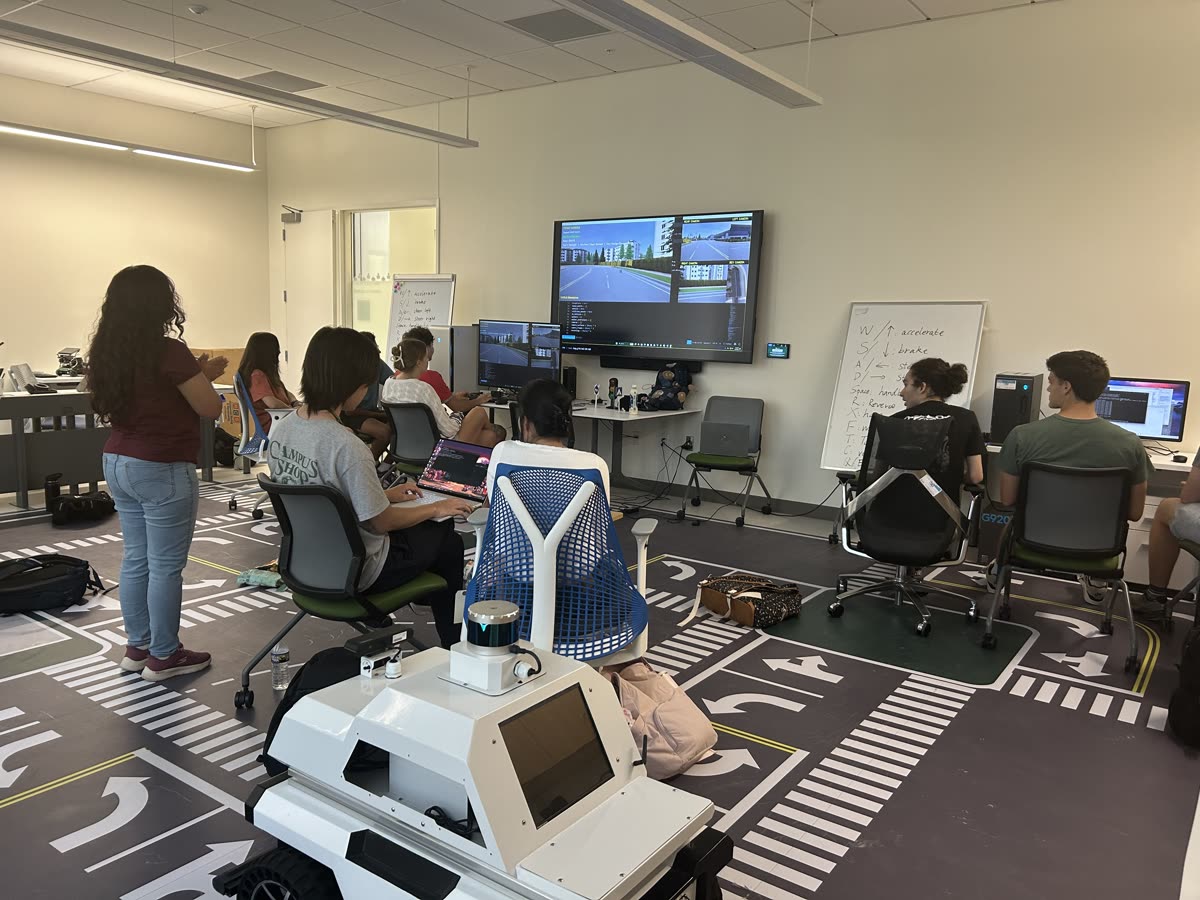
Students use a preconfigured CARLA simulator to create or modify a city scenario by setting routes, traffic, vehicles, pedestrians, obstacles, roadside conditions, and weather. Teams may introduce challenging situations such as congestion, blocked routes, near-conflicts, or simulated collisions to observe autonomous-vehicle responses.
Expected outcome: Each team presents its customized smart-city simulation, showing the scenario, vehicle behavior, initial prediction, and observed results.
Milestone 02
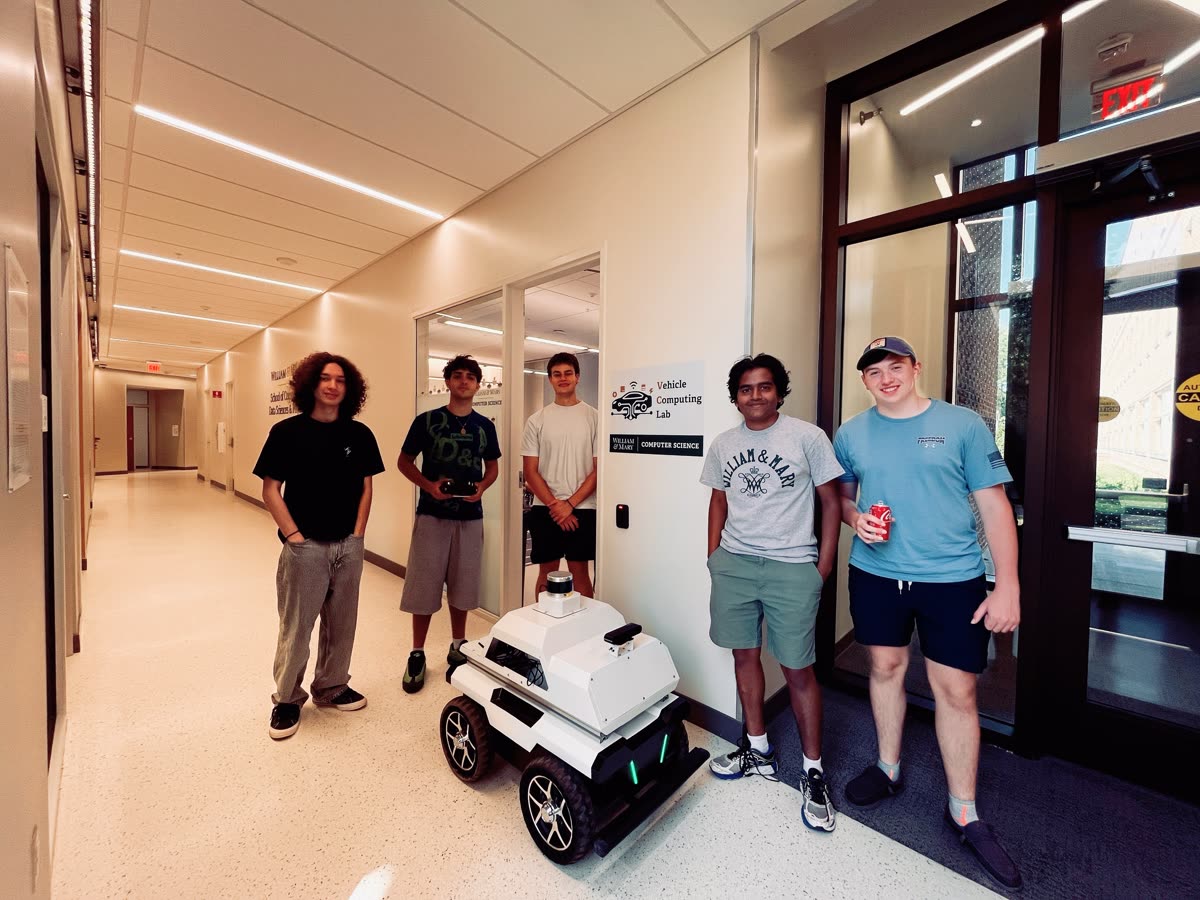
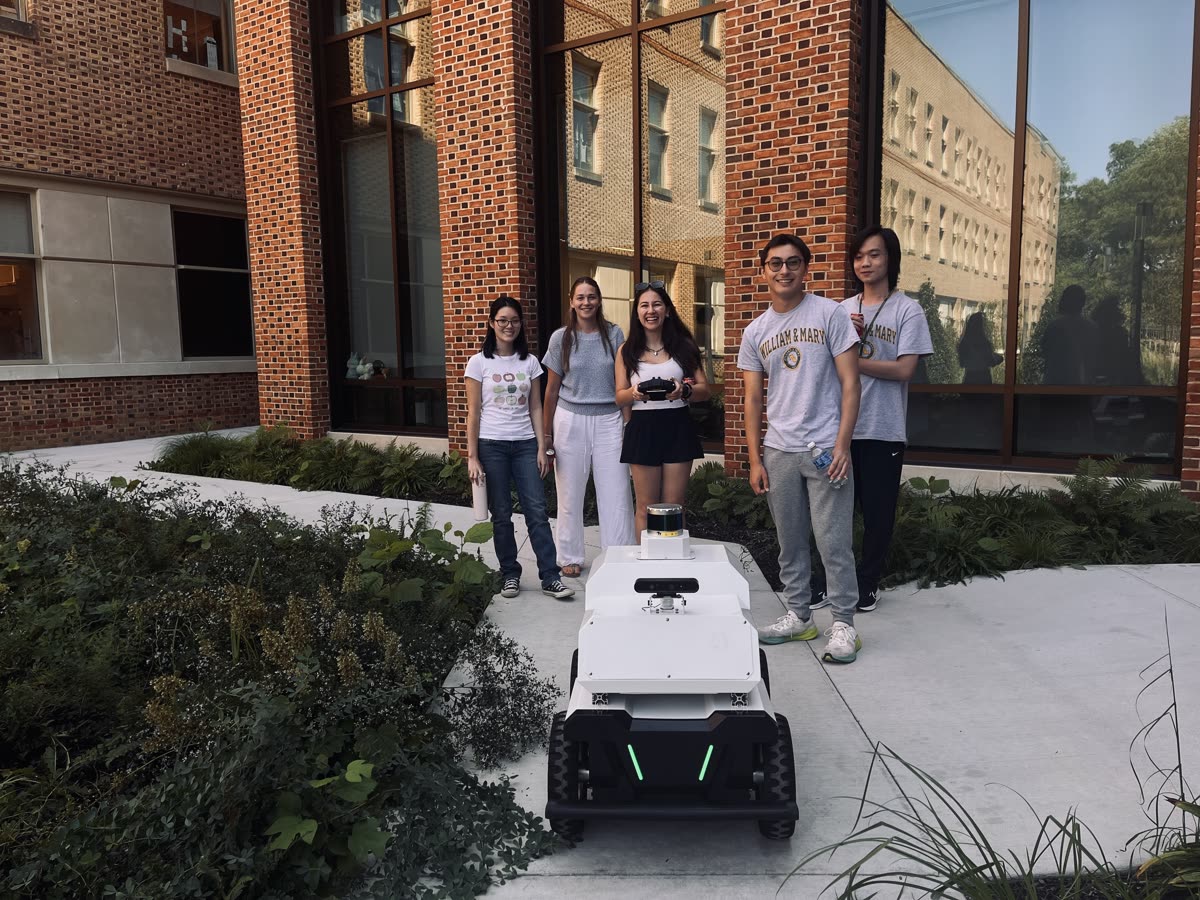
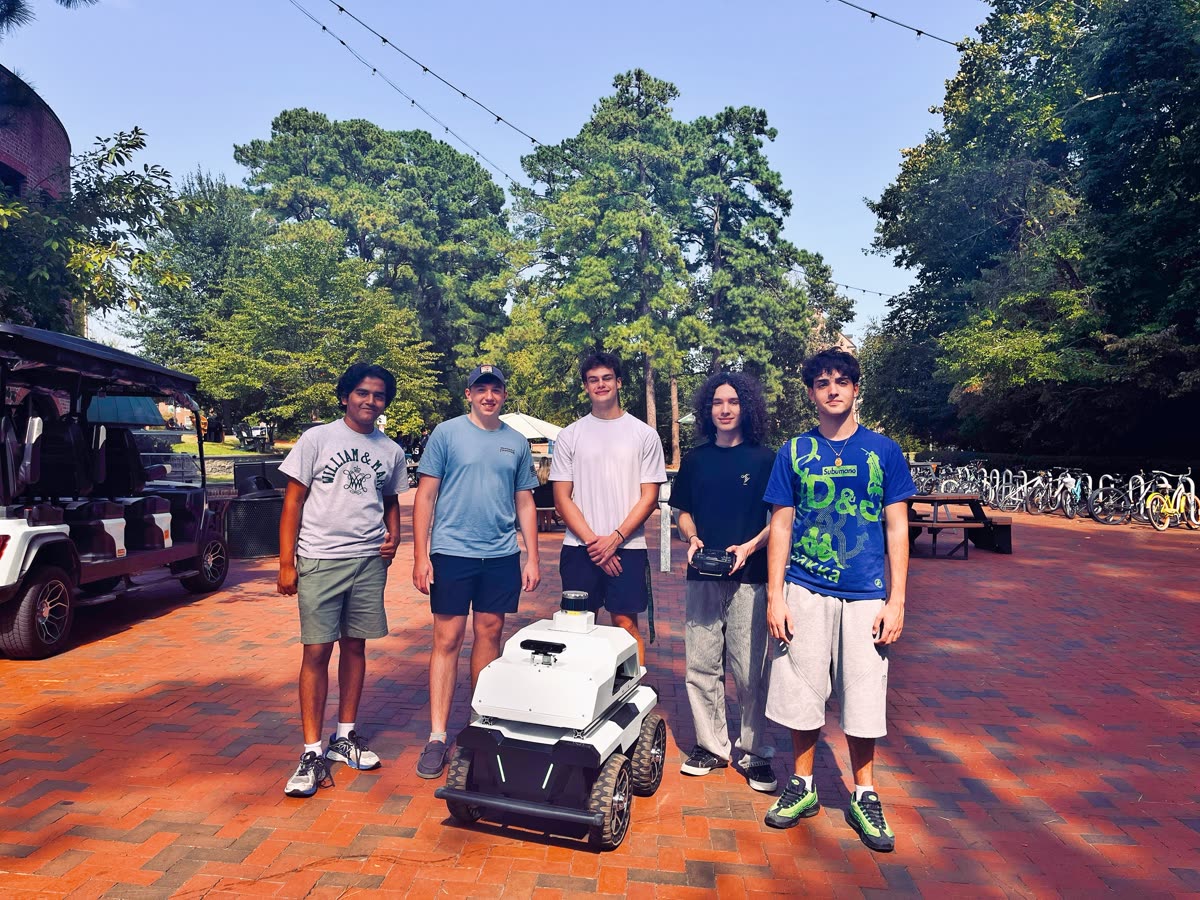
Students take turns teleoperating a large robotic vehicle along a designated campus route. The vehicle collects camera and LiDAR data as it moves through the physical environment. Students learn how data are transferred from the robot, organized, and viewed. They examine two-dimensional camera images, view three-dimensional LiDAR visualizations, and observe pretrained AI models applied to the collected data, such as object detection.
Milestones 03–05
Coming soon — the remaining milestones are in progress this semester.
Research platforms
Omnidirectional platform
Ackermann steering
Autonomous vehicle
Autonomous vehicle
RSU
GPU
GPU
Simulator workstation
Simulation Environment
Network
Traffic Management
Computing power
Now in the lab
Lane detection test
Camera view of vehicle
This experiment uses CARLA to evaluate autonomous driving algorithms in realistic and repeatable traffic scenarios. The simulated vehicle combines perception, route planning, and control to follow lanes, avoid obstacles, and respond safely to changing road and traffic conditions.
Obstacle detection test
Camera view of vehicle
The system detects and tracks nearby vehicles, pedestrians, and other obstacles in real time using onboard camera data. Continuous position and motion estimates help the autonomous vehicle maintain a safe path and respond quickly to changing surroundings.
Lane detection test
Camera view of vehicle
Camera-based perception detects lane boundaries and road markings in real time, enabling the vehicle to plan safe routes, follow lanes, and react accurately.
Connected testbed
We instrument vehicles, roads, networks, and edge computers together, so a systems idea can be measured end to end.
Course instructor
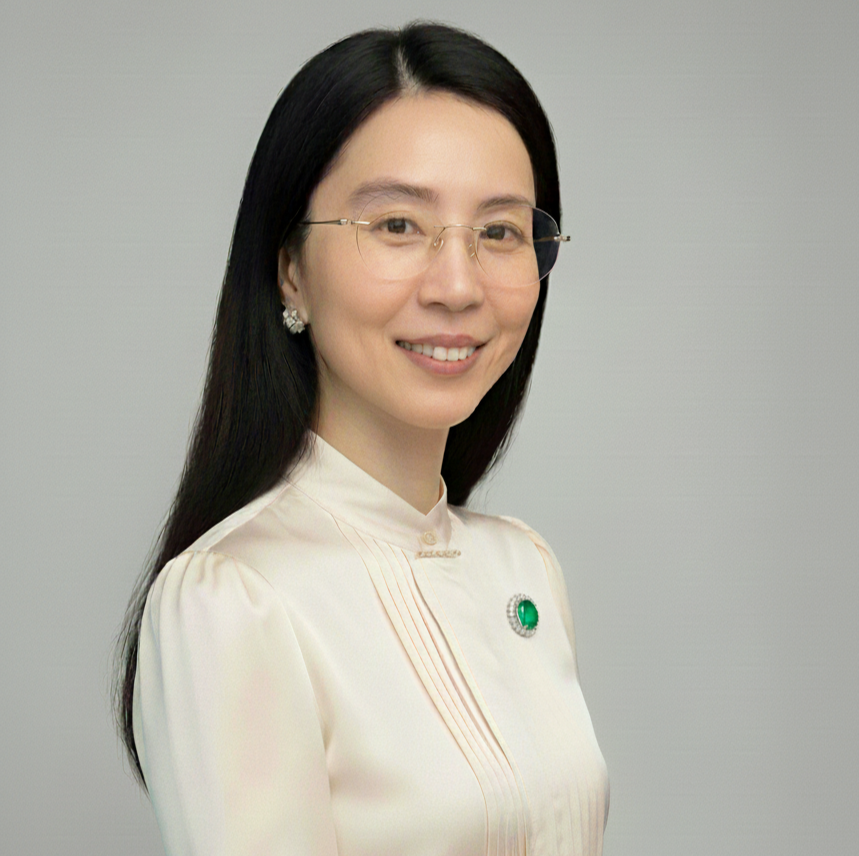
Assistant Professor · Computer Science
Pronounced “see-dee loo”
Dr. Lu’s research focuses on cyber-physical and intelligent systems, with particular interests in edge computing, autonomous systems, and vehicle computing. Her work develops reliable, scalable, secure, and efficient computing systems for connected vehicles and robots. These technologies enable intelligent decision-making and support safe, responsive, and dependable operation across resource-constrained platforms in dynamic, real-world environments.
Guest lecture
 Ph.D. Researcher
Graduate Researcher · William & Mary
Johora Akter Polin is a Ph.D. student at William & Mary whose research focuses on edge intelligence and dependable connected and autonomous vehicles. Her recent work explores efficient edge AI, safety-aware vehicle control, and VLM-enhanced perception for reliable autonomous driving.